Build-to-Rent in Houston: How New BTR Communities Are Changing the Game for Mom-and-Pop Landlords
Houston’s rental market is changing quickly, and many independent landlords are just starting to feel the impact. Over the past several years, institutional investors have poured money into build-to-rent Houston communities, creating a level of competition that barely existed a decade ago. Nationwide, more than 110,000 single-family rentals are currently under construction, and Texas leads the country with nearly 22,000 homes in the pipeline. The Houston metro alone has more than 4,600 build-to-rent homes under development.
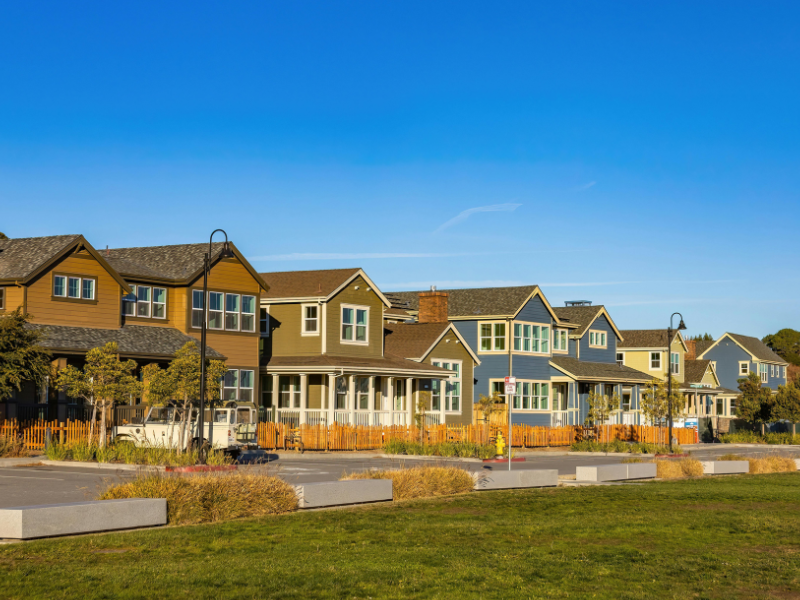
These professionally managed neighborhoods are filled with newly built single-family homes and townhomes designed specifically for renters. Many come with resort-style pools, fitness centers, dog parks, smart-home features, and on-site maintenance teams that respond faster than most small landlords realistically can. Renters who once compared your property to other privately owned homes are now comparing it to professionally operated communities with newer finishes, flexible amenities, and smoother leasing experiences.
The build-to-rent wave is already changing rental pricing, tenant retention, and Houston rental competition, but that doesn’t mean independent landlords are out of the game. Smaller owners still offer advantages large operators cannot, including flexibility, personal communication, and homes in established neighborhoods with more space and character. Landlords who adapt to rising renter expectations can still compete very effectively.
This guide breaks down why build-to-rent communities are growing so quickly across Houston, how they are changing renter expectations, and how independent landlords can stay competitive through smarter pricing, marketing, upgrades, and tenant retention strategies.
Why Build-to-Rent Is Suddenly Everywhere in Houston
Houston has always been attractive to real estate investors thanks to affordable land, no state income tax, and its growing population. Greater Houston added nearly 127,000 residents in the 12 months ending July 2025, more than any other U.S. metro area. Many of those new residents rent first, especially if they’re relocating for work, waiting out high mortgage rates, or deciding where they want to settle down.
In a city built around driving, larger homes, and suburban living, many renters still want the space, privacy, and layout of a single-family home instead of an apartment. Areas like Katy, Richmond, Cypress, Conroe, and Pearland give developers the land, infrastructure, schools, and highway access needed to build rental neighborhoods at scale.
Houston’s strong job market is fueling the trend as well. The region is expected to add 30,900 jobs in 2026, particularly in healthcare, construction, and education, bringing even more renters into the market. Institutional developers like AHV Communities, NexMetro, and Wan Bridge recognized this demand early and are still leading the way.
BTR communities offer many of the same things smaller landlords provide, including single-family homes in suburban neighborhoods, but with newer construction, professional management, and large-scale amenities backed by institutional capital.
The Numbers: How Big Is BTR in Houston and How Fast Is It Growing?
The growth of build-to-rent Houston communities shows just how quickly the rental market is changing. What started as a niche investment strategy has become one of the fastest-growing parts of the housing market, especially in expanding Texas suburbs where homeownership has become far more expensive in recent years.
National and Texas-level BTR growth
Across the U.S., roughly 27,000 BTR homes were completed in 2023, nearly triple the number built in 2019. More than 110,000 single-family rental homes are currently under construction nationwide, and Texas alone accounts for about 20% of that pipeline. Houston now ranks fifth nationally, with more than 4,613 units being built.
Texas has plenty of land, fewer zoning restrictions, and strong population growth, which makes it attractive for developers and investors. While Dallas–Fort Worth often gets the most attention, Houston is quickly catching up. Major builders are betting that Texas metros will continue absorbing BTR inventory for years to come, and the amount of capital flowing into these projects shows strong confidence in the market.
Build-to-Rent Houston Trends
Build-to-rent Houston homes have grown quickly since 2021. Communities like Wan Bridge’s Balmoral and NexMetro’s Avilla developments have already delivered hundreds of rental homes in master-planned suburban neighborhoods. By mid-2024, Houston had more than 4,800 BTR units either completed or under construction, with thousands more still in the planning stages.
Many of these communities are situated along the Grand Parkway and in fast-growing suburbs like Tomball, Richmond, and League City, the same areas where many independent landlords own rental properties.
That overlap is not accidental. BTR developers target areas with strong school districts, highway access, and middle-income households, which is the same renter base many small landlords rely on. As a result, competition is increasing directly in the most landlord-heavy submarkets.
What Makes BTR Communities So Attractive to Houston Renters?
Understanding why tenants choose build-to-rent Houston communities over traditional rentals is essential for staying competitive in today’s market. The main draw is not just newer homes. It’s the combination of housing, amenities, and professional service that they offer.
The Amenity and Lifestyle Package
For many Houston renters, especially families and relocating professionals, BTR communities feel like a “best of both worlds” option. They get the space and privacy of a single-family home without the financial risk and maintenance burden of ownership, and without the inconsistency that can come with privately managed rentals.
That is why Houston renter amenities matter so much. Many BTR communities in Houston offer coworking spaces, walking trails, dog parks, playgrounds, fitness centers, luxury pools, and well-maintained common areas. For a family renting a three-bedroom home, those extras can make the monthly rent feel more worthwhile.
Many BTR neighborhoods also include smart-home features like keyless entry, smart thermostats, video doorbells, and modern appliances. These details may seem small, but they affect how renters experience the home on a daily basis. Around 58% of renters would prefer to have smart tech over pools, gyms, and similar amenities. When tenants tour a newer rental with clean finishes, updated technology, and a smooth leasing process, an older rental can start to feel dated if it hasn’t been modernized.
That doesn’t mean every renter needs a pool, gym, or clubhouse, but it does mean build to rent communities in Houston are changing what renters compare your property against.
Service and Convenience
Beyond the physical amenities, build to rent communities in Houston are also raising renter expectations around convenience and service. Residents can usually submit maintenance requests through an app and get same-day or next-day responses. Services like landscaping, pest control, and even routine air filter replacements are often included in the rent.
For a mom-and-pop landlord handling maintenance calls personally or relying on a handyman with limited availability, that level of responsiveness can be difficult to match. If a tenant has to follow up several times about a repair or wait days for a response, the home may feel less professional even if the property itself is in good condition. These differences are drawing renters toward BTR communities in Houston and away from older, independently managed properties.
How BTR Hits Small Landlords the Hardest in Houston
Landlords are already starting to notice changes because of the influx of build-to-rent Houston communities. One big change is that rental homes are staying empty longer. When a brand-new BTR community opens nearby, renters naturally compare their options. If a tenant in your Katy rental can move into a brand-new home two miles away for $200 more per month and get a pool, gym, and professional management included, many will.
Another issue is rent growth slowing down. In the Houston rental market in 2026, many BTR companies are using big move-in deals like 4-8 weeks of free rent or waived deposits just to fill up units fast. Independent landlords usually can’t offer deals that big without losing money, so they end up at a disadvantage.
There are also changes in the types of tenants applying. The most reliable, high-credit renters are more likely to choose BTR communities because they feel newer and more professionally managed. That means smaller landlords are often left competing for a smaller group of applicants, and not always the highest-quality ones.
Houston Landlord Tips: How Independent Landlords Can Compete with BTR
Even with the rapid growth of build-to-rent Houston developments, independent owners still have ways to stay competitive. While these larger communities bring newer homes and amenities, they also come with limits that smaller owners can use to their advantage.
Flexibility and Personalization
One of the strongest advantages independent landlords have is flexibility. Most build to rent communities in Houston run on strict, standardized rules. Just last year, the City Council in the Bainbridge area proposed new regulations targeting these developments. For renters, that typically means less room to negotiate leases, stricter pet policies, and minimal ability to customize the home.
Independent landlords can do more. Allowing small personal touches (like a tenant installing a basketball hoop, planting a garden, or having a larger dog) can make a big difference. These choices help meet rising Houston tenant expectations, where people don’t just want a house, but a space they can actually live in comfortably. Personalization creates loyalty, and loyal tenants renew leases.
Location, Character, and Lot Size
Most build-to-rent Houston projects are clustered in newer suburban zones, on the outer edges of the metro, because developers need large, affordable land. Independent landlords often have an advantage if their homes are:
- Closer to jobs and schools
- In established neighborhoods
- On larger, more private lots
Older areas also bring features newer developments can’t easily copy, like mature trees and unique home styles. In a market where renters are comparing every detail, those differences matter more than you might think.
Price Positioning and Value
Another major advantage is pricing. BTR rents typically range from $1,500 to $3,500 per month depending on the property type, size, location, and amenities. Independent landlords usually charge less. In many cases, renters are looking at about $300 to $700 in monthly savings, or roughly $3,600 to $8,400 per year. At that point, they’re weighing real money against newer amenities like pools, gyms, and clubhouses. A lot of renters will still choose the lower price, especially if the home is clean, updated, and well-managed. A Houston property management company can help ensure that your home meets expectations in order to remain competitive.
Houston Rental Property Upgrades: Competing with Build to Rent Without Overspending
Independent landlords competing with build to rent communities in Houston don’t need to match every amenity dollar-for-dollar. That would be too expensive and unrealistic. Instead, the goal is to close the “perception gap” by making a traditional rental feel close in quality to BTR homes, but at a fraction of the cost. The smartest strategy in the Houston rental market in 2026 is focusing on upgrades tenants notice every day, not once-in-a-while luxury features like clubhouses or pools.
High-ROI “Experience” Updates
These are small to mid-cost upgrades that have a big impact on how tenants feel about the home:
- Smart locks and video doorbells ($200–$400 installed): These add convenience and security.
- USB outlet upgrades (under $100 total): Adding USB ports in kitchens or bedrooms suggests a more updated home.
- Luxury vinyl plank flooring ($3–$5 per sq. ft.): This is one of the best Houston rental property upgrades because it handles humidity, pets, and heavy wear while still looking modern.
- Fresh exterior paint and updated landscaping: Curb appeal is the first impression. In many cases, this alone can change how a renter compares your home to build-to-rent Houston properties.
- Ceiling fans in every bedroom: In Houston heat, this isn’t optional. Tenants notice immediately when they’re missing, and it directly affects comfort.
The key is avoiding expensive “over-renovations.” For example, granite countertop upgrades often don’t pay off unless rent levels justify them. Instead, try to focus on the small, everyday touches.
Service and Technology Upgrades
Competing with build to rent communities in Houston isn’t just about the house, but also about how the rental experience feels. Some of the best upgrades include:
- Using a tenant portal or app like Buildium or AppFolio to help with rent payments and maintenance requests. These cost around $50–$100/month.
- Establishing a 24-hour maintenance response policy for emergencies and a 48-hour window for non-urgent requests.
- Including basic annual services in the lease. Things like HVAC servicing and quarterly pest control are especially important in Houston’s climate. Bundling them reduces tenant frustration and unexpected issues.
- Sending a move-in welcome packet with trash pickup days, local recommendations, and direct contact info to help set Houston tenant expectations and build trust from day one.
Beyond helping you compete with build to rent communities in Houston, these steps can also reduce turnover, which is where most landlords lose money.
Rethinking Marketing and Positioning in a BTR World
Most independent landlords still market rentals the same way they did years ago: a few basic photos on Zillow, a short description, and hoping the right tenant shows up. Meanwhile, build-to-rent Houston communities are operating like full marketing companies. They use professional photography, virtual tours, lifestyle branding, and even social media ads to attract renters. As an independent landlord, you don’t need a huge marketing department, but you do need to present your property differently in the Houston rental market in 2026.
A strong first step is investing $150–$300 in professional photos. This alone can change how quickly your property leases. Listing descriptions also matter more than most landlords realize. Instead of generic wording, highlight features like:
- Larger yard space
- Established neighborhood
- Lower monthly rent
- Flexible pet policies
- Proximity to schools or major employers
If your property is near a BTR community, use it to your advantage. Renters are already making that mental comparison anyway. A line like “single-family home in an established neighborhood offering more space and privacy at $400 less per month than nearby new construction” gives them a reason to choose you. With the help of a Houston property management company, you can pass all of these details off to a team of professionals, who already have systems in place to market rentals effectively.
When It Might Make Sense to Sell to a BTR Operator
Not every property is worth holding onto long-term in a market shaped by BTR growth. If you own a home on a large lot, in a fast-growing area near places like the Grand Parkway, or somewhere developers are clearly building new rental communities, your property might actually be more valuable to a builder than as a rental.
Selling can start to make sense when:
- Rent prices in your area are getting pushed down by new supply
- The home is getting older and needs more repairs or upgrades
- Your monthly return is shrinking even if it stays occupied
- New BTR communities in Houston are setting higher standards you can no longer compete with
Holding onto a property out of habit, instead of performance, is a common mistake. Sometimes the smartest decision is exiting at a premium, while demand is still strong.
Strategic Buying: Seeing BTR as a Sign, Not a Threat
Instead of treating BTR communities in Houston as pure competition, it can actually be more useful to treat them like a signal of where the market is headed. Large build-to-rent Houston developers don’t pick locations randomly. They typically invest heavily in research before breaking ground, looking at things like population growth, job access, school districts, and long-term rental demand.
So when you see a major BTR community being built in a certain area, it usually means that area is expected to keep growing. These developments often bring better roads, new shopping centers, restaurants, and more overall investment in the area. That’s why buying a well-priced existing home near a BTR development can sometimes work in your favor. Your property can benefit from more renters, more demand, and more infrastructure improvements while still offering something different, like more space, a lower rent, or a more established neighborhood feel. If you position your property correctly, it can rise with that demand instead of being pushed out by it.
Adapting to Build-to-Rent Trends in Houston with Evernest
The BTR trend reshaping the Houston rental market in 2026 isn’t slowing down. More institutional investors are putting money into purpose-built rental communities across Houston’s fastest-growing areas, and tenant expectations keep rising because of it. Houston single-family rental investing can still pay off for smaller landlords, but your success now depends on how well you adapt.
Landlords who stay competitive will improve the condition of their homes, update their marketing strategies, respond faster to tenants, adjust their pricing based on real market conditions, and be more intentional about which properties they hold or sell.
If keeping up with these constant changes feels like too much, you’re not alone. A Houston property management company like Evernest can help take the day-to-day work off your plate so you can focus on growing your portfolio. Our local team handles tenant screening, maintenance coordination, rent collection, lease renewals, accounting, and pricing. We pay close attention to how build-to-rent Houston communities are affecting the market, and we use that insight to ensure your rental stays competitive. Reach out to Evernest today to connect with our Houston team and see how professional management can help your rental business thrive.